 Shades of a Warrior
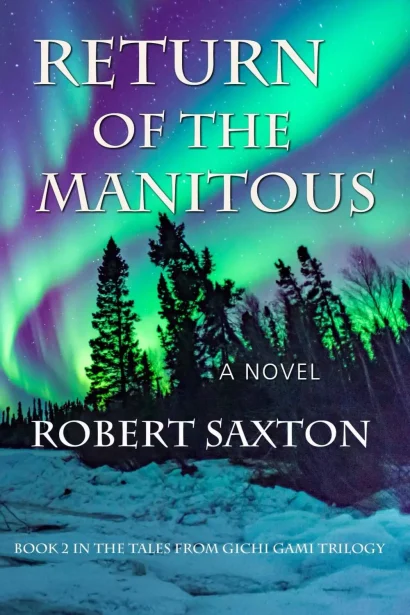 Return of the Manitous
The Origin of Tales From Gichi Gami
Northern Light Lake
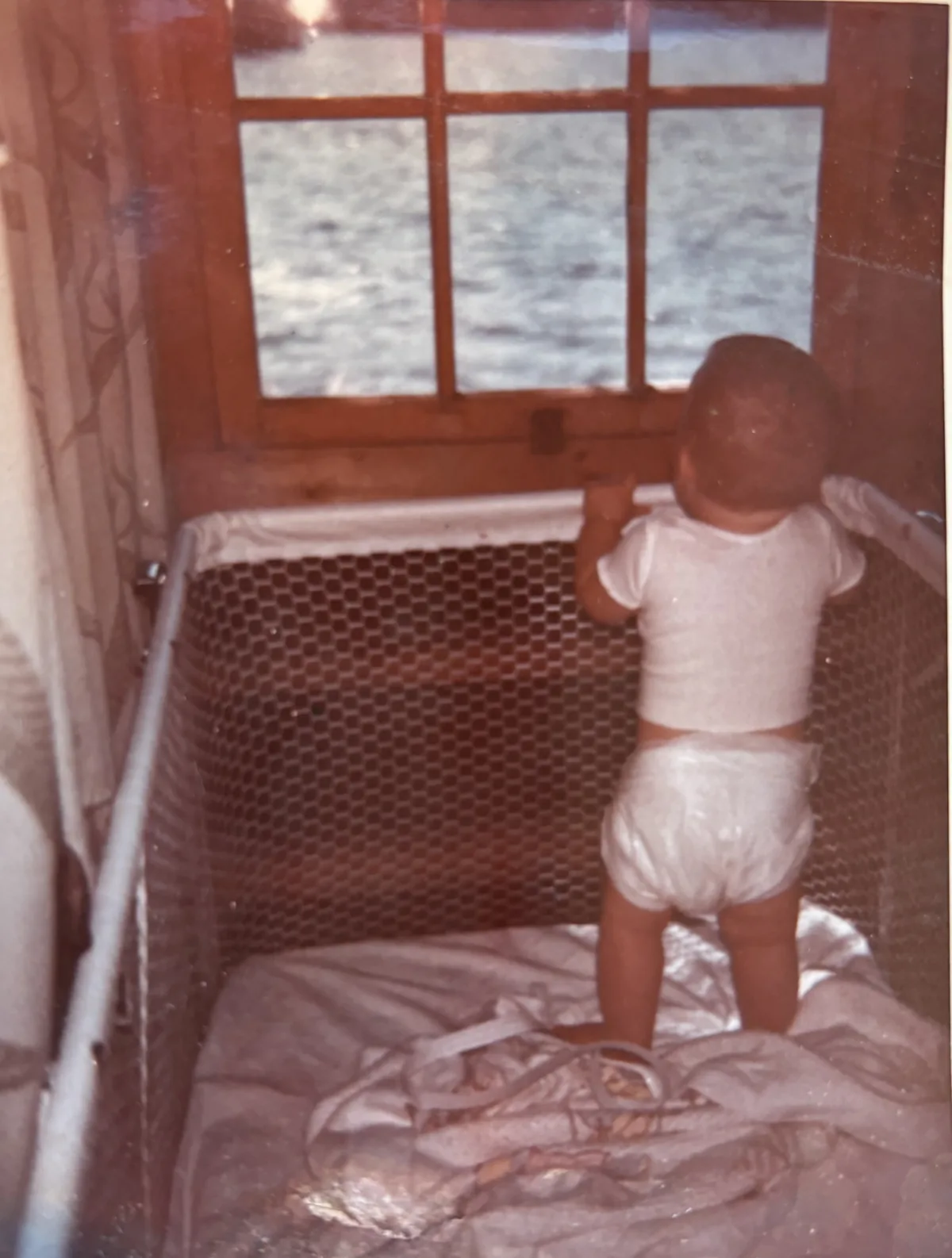
There is a photo of nine-month-old Robert in saggy white diapers, staring out a window, mesmerized, at the still waters of a lake in northern Ontario. This was my first view of Northern Light Lake, the place that had mesmerized my great-grandfather, my grandmother and my mother before me.
Northern Light lies just north of the U.S.-Canada border and in the back yard of the Boundary Waters Canoe Area Wilderness and Quetico Provincial Park. It is a large lake with wide open bays, long peninsulas, and rocky islands thick with pine, fir, and birch. Its shores are lined with ancient glacier-scoured Precambrian rock almost as old as the Earth itself.
It was here, a stone’s throw from the Grand Portage Band of Ojibwe and the little town of Grand Marais, that I would spend my summers catching and eating fish, paddling, camping, exploring, building campfires, staring at Native rock paintings, watching the stars and dreaming of a world without guns or motors or television.
What was life like here before the Europeans arrived? What did they eat? How did they survive? Here, I could imagine. I could wonder and dream.
Who was this man?
As I grew older, my love of nature and the environment continued through high school, college, and my years living in France and Spain where you were lucky to see as much as a squirrel, but memories of those rocky shorelines and the sounds of loons calling remained in my heart.
A few years later, after marrying and having our first child, my wife and I took a long weekend in Ely, a tiny town on the other end of the Quetico-Boundary Waters system.
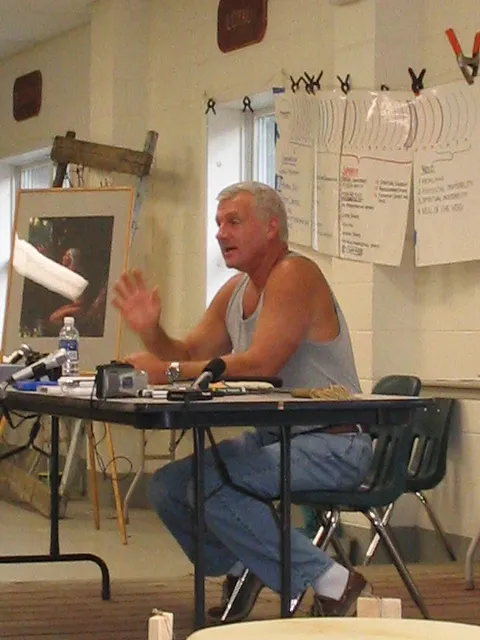
It was at that Bed and Breakfast that I picked up a book by a man named Tom Brown Jr. The book was a simple field guide on wilderness survival. I stared at the stories and illustrations as I had once stared at Northern Light Lake. Who was this man? How did he come to learn these things? What was his story? The back of the book had information about a wilderness school run by the author.
Dirt time
That July, I arrived at the Standard Class, full of excitement and hope. I had read more about Tom in the previous months and learned about his path.
Tom had grown up in the Pine Barrens of New Jersey and was mentored by an elder Lipan Apache who had moved there to be close to family. With Stalking Wolf’s careful guidance and his young student’s determination and hard work (dirt time), Tom became a master tracker and survivalist by the time he was a teenager.
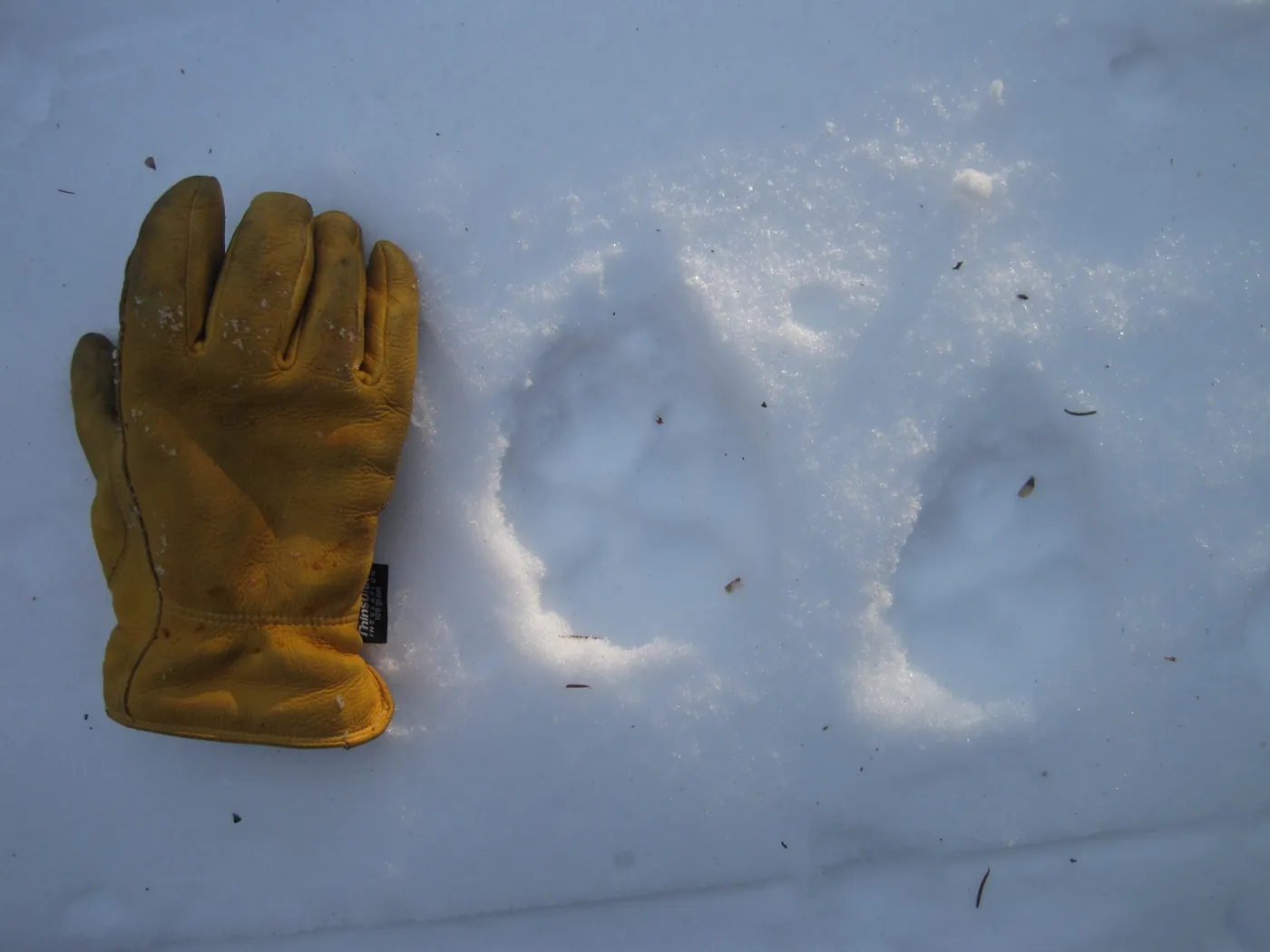
Before he was an adult, he was already being called upon by local law enforcement to help track down and rescue lost persons. His skills as a tracker became legend: Tom could not only follow any animal or person across any terrain, he could read their head movements, and sometimes gather information about their mental status and health—all by reading their tracks. He could walk into the wilderness, naked, and survive for years.
Meeting him in the summer of 2000 was fascinating because his affect was more of a no-nonsense marine sergeant than mystical guru. Tom had zero time for bullshit.
We learned to build debris huts, make fires with bow drills, gather edible and medicinal plants. We learned to stalk and use camouflage. We learned to pay attention. We learned to track.
Tom gave us the intros. The rest was up to us. “Practice your skills or suck!”
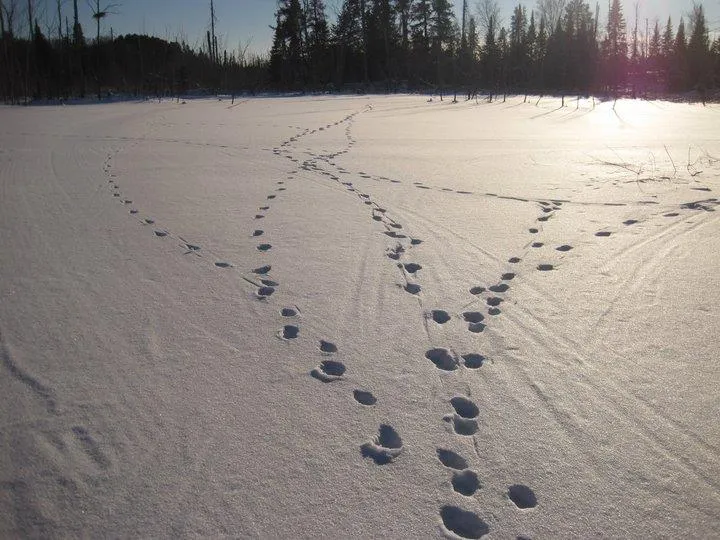
His instructors gave us hints about how far down this road we could travel if we wished. They showed us mouse tracks across sticks.
We also met the man who was Tom’s very first student: Jon Young, another master tracker and survivalist who had begun his own spin-off school: Wilderness Awareness School, out in Duvall, Washington. Jon gave us a mini course in bird language. Once again, I was mesmerized. I never looked back.
Tom’s Vision
After the Standard Class, I took more courses in Tracking, Advanced Tracking, Scouting, and philosophy. I made friends and had an entire world open up to me. Tom’s Vision (with a capital “V”) was nothing less than to teach as many people to know the Earth as possible so that they could go out and teach others and, eventually, save it from destruction.
Stories around the campfire
Back in Bemidji, I started an after-school wilderness club and introduced children to a version of the world that had been opened up to me. We sent our son Tommy (who is the inspiration for BJ’s character) to Wilderness Awareness School.
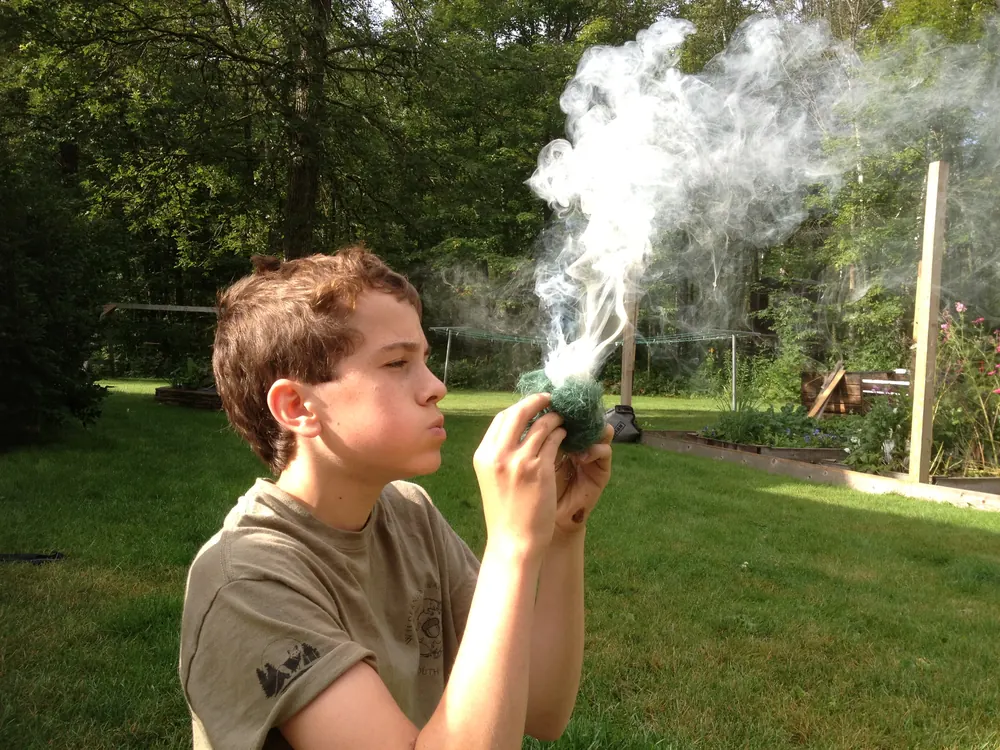
I told our children stories around the campfire and at bedtime. One of the tales I spun was of a young man who wandered into a cave and came back out five hundred years earlier. That story would eventually become this trilogy.
For me, there was only one location where this story should take place: near the border lakes and Lake Superior. I decided that BJ, like Tom Brown, would learn from Natives—and the Natives that reside along the north shore of the great lake are the Ojibwe. I hope I can be forgiven for placing the Ojibwe there before their likely arrival from far to the east. Creative license and all that.
Once the tribe was chosen, it was important to portray both the ancient and modern Anishinaabe with as much accuracy and care as possible. I’m not Native, but I am fully trilingual and do have a lot of experience with language and culture. I also have taken Ojibwe classes, have many Native friends in Bemidji, and am part of the broad community that participates in traditional and ceremonial events. I also worked as an EMT for one of the local tribes for two years. My toes are well-dipped into this world.
So, I wrote much on the basics of Native culture (for non-Native readers) and dived a bit further into some areas of Native history, colonization, and some traditions (for any Natives and non-Natives unacquainted with this history). I did not do any deep dives into spiritual or sacred traditions which would have been inappropriate—and most of which I don’t know anyway. I wrote what I knew and did my best.
Coyote Teaching
I put BJ with young Natives who found him clumsy and ignorant, but also funny and interesting. He learned alongside them in much the way that Tom Brown Jr. learned from Stalking Wolf and the way Stalking Wolf learned from his Elders: by sitting still, paying attention, trial and error, and maybe a little guidance from an Elder or two. Tom Brown calls this Coyote Teaching.
Dear reader, these books are my Coyote teachings for you and your children. If you enjoy them, I hope you spread the word. Then I hope you get out there to explore, play, and dream. What else are you here for?